Tokyo Midtown | Page 9 | the Fashion Spot

Tokyo Midtown

ano-
runner...
i have been trying to figure out what "konchuu-saishuuing" is...
then i figured out it was just "konchuu-saishuu"...plus "ing" (english)
konchuu is insect, right?
and i found a video game of this name- konchuu saishuu- where you collect insects...
so that must be what konchuu saishuu means- collecting insects...
or insect collecting
am i right?
:huh:...
 
Last edited by a moderator:
yes sasuga you are right, sorry for the confusion.
go shopping, go fishing, go hiking, and go konchuu-saishuuing.


it seems that there are some actual places they based things in totoro on.
but, as a whole, I think the film is more like a jackpot of pieces of our collective memories.
so it's everywhere, though scatterd all over japan.


dekakeyo
 

Attachments

  • f0059014_225513292.jpg
    f0059014_225513292.jpg
    24 KB · Views: 0
btw, mononoke is more specifically from here.
and you know the (spirited away) inn.


ghibli
 

Attachments

  • 27.jpg
    27.jpg
    18.4 KB · Views: 32
  • 182.jpg
    182.jpg
    27.8 KB · Views: 32
hello my japanese friends...
i need some help with translation once again kudasai~!

while i did not go to daiso in japan, i was able to get a feeling of it at a small daiso in los angeles- in "koreatown", of course...
apparently the rent in little tokyo is too high...
:rolleyes:...:lol:...

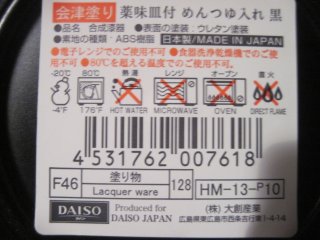
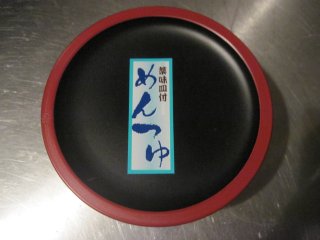
anyway- i found this sort of laquer ware there, but it has all kinds of things you should not do- like pour in hot water, etc...
so- what exactly CAN i do with it?
is it just for tsukemono? or some kind of dipping sauce?
can someone translate please...
i'm just using it like this right now...

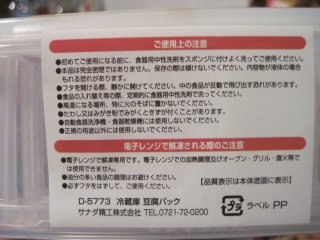
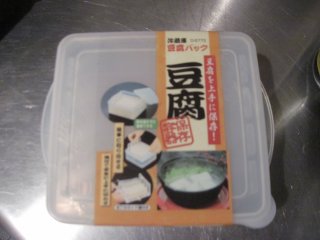
also- i got this tofu container in little tokyo and just wanted to share this uniquely japanese product...
i have always struggled trying to find a good way to store tofu and was very happy to find this container designed just for this purpose...
it has been extremely useful!
is there anything i should know written on the wrapping, please?

thanks in advance!
 

Attachments

  • IMG_2826.jpg
    IMG_2826.jpg
    135.4 KB · Views: 2
  • IMG_2742.jpg
    IMG_2742.jpg
    272.6 KB · Views: 2
  • IMG_2741.jpg
    IMG_2741.jpg
    267.5 KB · Views: 0
  • IMG_2743.jpg
    IMG_2743.jpg
    300.8 KB · Views: 1
  • IMG_2740.jpg
    IMG_2740.jpg
    251.4 KB · Views: 1
Last edited by a moderator:
Re tofu container: no out-of-the-ordinary instructions, other than to wash before use, and only use in the microwave for defrosting and not for heating

Re soba dish: yes, you are right, it is for the dipping sauce and yakumi for soba. It's very misleading that it says "laquerware" but specifies that it's made of polyurethane; "laquerware" is I guess just the name of the product, as the real stuff would not be sold in 100-yen stores. It says not to place in the dishwasher, and to make sure it does not get heated over 176 degrees F. I got something similar from Daiso as well when I needed something quickly, and still use it for soup, cereal, desserts, noodles, crackers/nibbles :P.

HTH!:flower:
 
yes sasuga you are right, sorry for the confusion.
go shopping, go fishing, go hiking, and go konchuu-saishuuing.


it seems that there are some actual places they based things in totoro on.
but, as a whole, I think the film is more like a jackpot of pieces of our collective memories.
so it's everywhere, though scatterd all over japan.


dekakeyo

thanks for explaining runner...
i think we were posting in this thread around the same time so i didn't see this post before...
:P

yes, it does seem to be all over japan...
-i must say that these travel and nature programs on NHK are really great...
all the things that i wondered about the sea and the landscape and the countryside have been generally answered, sometimes even in great detail...
i don't think it is clear to most people outside of japan just how mountainous japan is...and how lush, tropical and unspoiled it can be in places down south, as well as how cold it can be up north, in hokkaido, near russia...

so- then i started watching some Ozu films and re-watching some Kurasawa and Miyazaki and i had a completely different experience and understanding of the scenery and the action...

thanks for the pics...
*and, yes- i know where the Inn is...:ninja:...:rolleyes:...:lol:...

thanks Melisande-
i guess i am using it the same way as you are then...
:D
it's obviously not real lacquer ware and wouldn't fool anyone...
tbh, i didn't even see that bit until i posted the pic here...
and i thought it was odd as well...
^_^
but it's annoying that i can't put it in the dishwasher
:mellow::ermm::doh:

i can't help loving any kind of japanese dish ware that has a cover...
there is really nothing like that in western dish ware except for large soup bowls or corningware, you know?

so individual soup bowls or dipping sauce containers with their own covers are just so incredibly japanese and very charming to me...

btw- some of the arts and design programs i have watched on NHK hav also given me a much more in depth understanding of true laquer ware and i finally understand it in completely different way...
i never knew that the laquer is tree sap...and now that i have seen how it is applied, i can also appreciate the special brushes used and how fine they must be as well...and then there is the way that gold leaf or powder may be applied and how delicate a process that is...
it's so time consuming and laborious and detailed...
no wonder it costs a small fortune...
:shock:

but it is also definitely not dishwasher safe...
i thought that if i got the imitation one it would be less maintenance...
i guess the joke is on me~!
:lol::lol::lol:

i've also come to appreciate japanese pottery in a different way now that i understand how the clay in japan is quite sandy and grainy and so the natural roughness it produces is embraced and even enhanced by the artisans who work with it...

and i was presented with a variety of sake cups on a tray in a tokyo restaurant so that i might choose my preferred type of cup to drink from...
i had no idea about this custom or about how trays are used in a variety of ways in japan...

all of this new understanding has caused me to appreciate some wonderful sake cups and a tray which i was given some time ago...
there is even a wooden soup bowl which i did not understand fully...
it has a thin edge and curves slightly outward...
now i understand that this makes it easier to hold and also easier to sip from...
in the west- we never really hold our plates or bowls and we don't usually drink from them the way it is done in japan...
now that i understand about how to pick up the small plates and eat from each dish, everything makes more sense...
including the reason for the smaller plates...

i've learned so much in the past year since NHK has come to NY with their own full time channel...
i seriously recommend that anyone who is going to visit japan have a look at NHK International programming- or at least their website...
 
monster felt bags with pleats
from me issey miyake this fall
relatively good price
might make a good F/W gift

fashionpress
thanks runner~!
these are so funny!
:mrgreen:

i'm surprised by the colours...
i would think they would make them in super bright, fun colours...
i imagine turquoise and hot pink for some reason...
i guess that is just the colour for silly monsters in my mind...

:lol:


though, i confess —
i am actually most likely to use the grey one...
it is silly in a sensible way...
:P

the shape is hard to define, but the jagged edges go well with the pleats and are reminiscent of classic Issey designs...
the eyes are more like just some silly, fun accessory...
but i think that would be a good bag, regardless...
and felt is always always always good in grey...
just like t-shirts and sweaters...
imho...

:smartass:
 
Last edited by a moderator:
OMG...
:woot:...
that is so crazy~!
you HAVE to get that shirt, runner...
it's your favorite!
i even looked at that show and didn't realize it...
sugoi!

ahh I think I too watched the laquer ware program on NHK softgrey, not sure, but it might have been "bi no tsubo".

totoro is a kind of pattern language, albeit japanese local version.
we can see a chain of half-forgotten items that can let something happy happen, like
bus stop
sleeping in public
mini bus
child caves
secret place
etc...

i don't think it's the same program...
there have been more than one, actually...
all good...

pattern language is an interesting concept...
though i am not sure i really like the name...
i have always thought of this sort of thing as just design language...
you have a set of problems and you have certain parameters and prerequisites and then you have to solve the problems with your design...

but i guess i can understand how these things you mention could be familiar to most people in japan...
but i think those are common in general, which is why i think totoro translates well...
i'd have to watch it again to point out some of the smaller details that are less familiar and i think are more specific to japan...there are a lot of details...
which is partly why it is easy to watch over and over, right?
you always notice something new...
 
Last edited by a moderator:
Runner that is INSANE!!!! :woot:

Unless...you personally had something to do with it, lol :P
So funny...maybe you started a trend :wink:

Yes, pattern language, I'd never have thought of Totoro in those terms...but yes you are right...

Softie, I adore the whole sake cups on trays tradition...:heart::heart:
I'd start a collection if I were a regular drinker of sake...
Once I almost spent a small fortune on a dish and sake cups that were made by some famous potter and looked like they were just wet rocks in a Japanese garden...or part of a tide pool :P It was dark, beautiful and haunting.
 
those things in italic are actually from the 253 patterns* in alexander's "a pattern language" which is basically from america 1977. so certainly those are rather universal. for example, of the patterns there is filtered light that could translate into shouji. stuff like shouji, fusuma, etc are so fragile that you'd break them for fun as a kid and be scolded. but that property had developed and deepened many of what we today recognize as very japanese. from behavior, manner to aesthetics. fragility in japan was quite fruitful. so if I add some vernacular patterns, one would be fragility.
another would be engawa. of course these things can be found in totoro, and again they are things half-forgotten and dying.


*253, things from your life - the last pattern just for reference

'Decor and the conception of "interior design" have spread so widely, that very often people forget their instinct for the things they really want to keep around them. Therefore: Do not be tricked into believing that modern decor must be slick or psychedelic, or "natural" or "modern art," or "plants" or anything else that current taste-makers claim. It is most beautiful when it comes straight from your life - the things you care for, the things that tell your story.
 
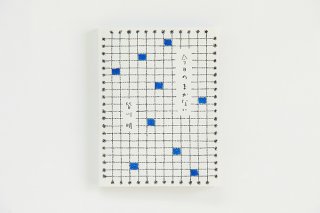
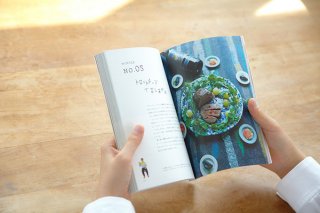
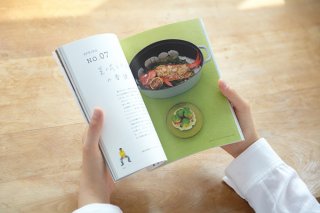
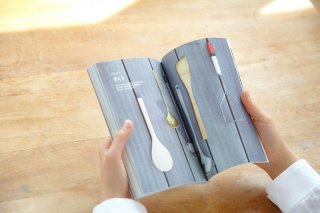
mina perhonen book of minagawa's original recipes out this week on the market :chef:


fashionpress
 

Attachments

  • mina_01.jpg
    mina_01.jpg
    67.8 KB · Views: 1
  • mina_03.jpg
    mina_03.jpg
    107.4 KB · Views: 2
  • mina_05.jpg
    mina_05.jpg
    93.2 KB · Views: 2
  • mina_02.jpg
    mina_02.jpg
    94.7 KB · Views: 2
some other recent mina perhonen stuff


minaperhonen
 

Attachments

  • mpm2.jpg
    mpm2.jpg
    38.2 KB · Views: 0
  • mpm.jpg
    mpm.jpg
    69.1 KB · Views: 0
  • mpm5.jpg
    mpm5.jpg
    74.4 KB · Views: 0
  • mpm3.jpg
    mpm3.jpg
    68.5 KB · Views: 0
  • mpm4.jpg
    mpm4.jpg
    41.3 KB · Views: 0
  • mpt.jpg
    mpt.jpg
    34.8 KB · Views: 1
  • mpt2.jpg
    mpt2.jpg
    55.3 KB · Views: 1
  • mpt3.jpg
    mpt3.jpg
    55.8 KB · Views: 1
neko + forest parade


minaperhonen
 

Attachments

  • fpp2.jpg
    fpp2.jpg
    66.8 KB · Views: 1
  • fpp.jpg
    fpp.jpg
    127.7 KB · Views: 0
  • fpp3.jpg
    fpp3.jpg
    82.4 KB · Views: 0
NYAAAHHHHHH~~~!!!

:clap:...:clap:...:clap:...
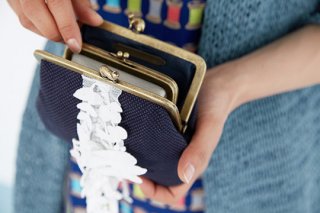
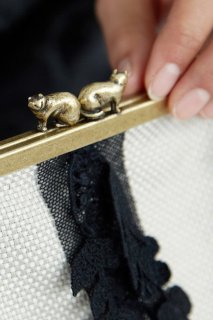
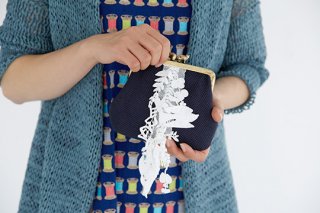
love that little coin purse!...
thanks for these great pics runner!!!...
:heart:

the cook book looks good enough to eat with my eyes...
:P

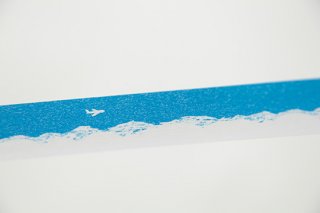
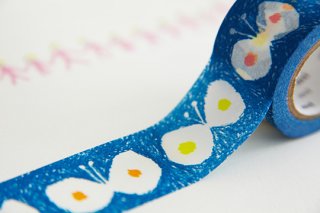
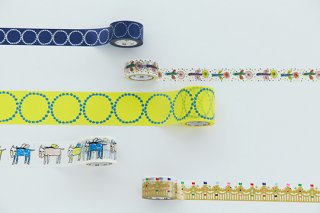
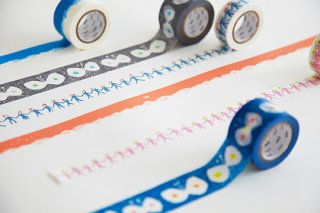
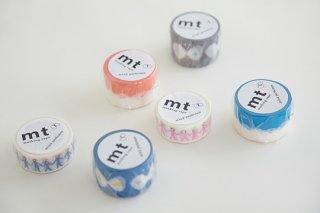
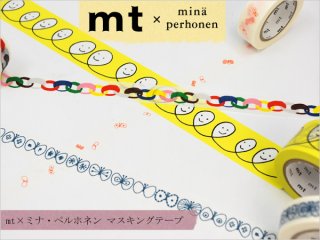
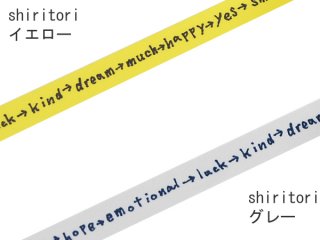
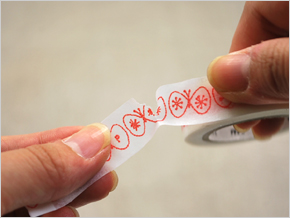
that must be washi tape, yes?
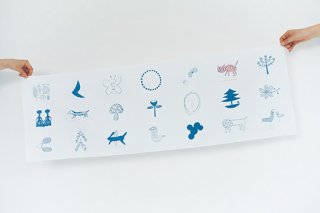
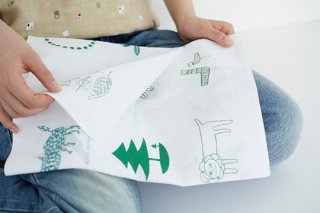
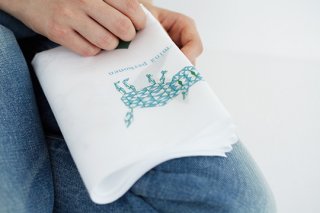
what would the cloth be used for?
 
yes sasuga those washi tapes easily removable when necessary.

the cloth is an item called tenugui. I think you have a few.
but you can use it as you like really.
as a hachimaki, or even as an unusual furoshiki, etc.


rakuten
 

Attachments

  • kamtm001-01.jpg
    kamtm001-01.jpg
    205 KB · Views: 0
  • kamtm002-c02l.jpg
    kamtm002-c02l.jpg
    83.4 KB · Views: 0
  • kamtm001-06.jpg
    kamtm001-06.jpg
    39.3 KB · Views: 17
Last edited by a moderator:
thanks!

i thought it was a tenugui, but i wasn't 100% sure...

i found this article which explains some japanese words and their varying meanings as well as their origins...
it's quite informative and entertaining and gives an interesting insight into the japanese way of thinking...
:P

i also love that they use the romaji with the japanese characters and literal translation in parentheses...
it makes it easy to read and understand while also familiarizing oneself with japanese characters...
i rarely find such good translations so i thought i'd put it here as a reference for anyone who might be interested...
The bittersweet taste of Japanese words

by Makiko Itoh

A little while ago a friend of mine who’s been living in Japan for few weeks texted me in a bit of a dither, saying, “This guy I barely know said I was sweet! Is he coming on to me?” It turns out the word he used was amai (甘い), which nominally means sweet as in sugar. In English if you call someone sweet it’s a compliment, but not in Japanese. I had to tell her that the guy wasn’t getting overly friendly with her but he wasn’t being too nice either, since amai means someone is being naive or shortsighted.

Japanese is littered with many such food-oriented words, phrases and colloquialisms that mean something quite different from what you may think. For instance, the actor Ken Watanabe is often described as being shibui (渋い). That doesn’t mean someone took a nibble of him and found him bitter tasting. It means he’s cool, handsome without being pretty, and mature — a man who appeals to both sexes.

Another way to describe his rugged good looks would be nigamibashitta (苦みばしった) — laced with bitterness, like a cup of good coffee or dark chocolate. Likewise teen pop star Justin Bieber might be described as having an amai (甘い) face — a sweet, pretty face that appeals to tweens, maybe not too masculine. And an amaenbō (甘えん坊) is someone who relies too much on someone else. It’s usually used to refer to a spoiled child, but an adult can be an amaenbō too, like a man who has to have his tie straightened out for him every morning by his wife, or a girl who expects her boyfriend to pay for every meal and give her lots of gifts.

Japanese people generally love to try new foods, so being a tabezugirai (食べず嫌い), or to decide you don’t like the taste of something even if you’ve never tried it, is not looked upon kindly. The phrase can also mean not liking someone or something without having attempted to get to know it first. If someone says you are ajikenai (味気ない, tasteless), it doesn’t mean they deplore your penchant for loud jackets; they’re telling you you’re dreary and uninspiring. It’s not good to be mizukusai (水臭い, smell like water) either, since that means being distant and insincere.
A menkui (面食い)is not a scary monster that eats faces or men (面); it’s someone who judges a person by their looks rather than their personality or character. A menkui man might not go for a woman with daikon ashi (大根足) or legs like plump, white daikon radishes. Then again, a woman might regard a man who’s that shallow as an otankonasu (おたんこなす), which is someone who is stupid as well as meaning a misshapen eggplant (nasu). But being mame or mamemameshī (まめ、まめまめしい)doesn’t mean you are a bean, it means you are attentive and precise, qualities considered desirable for both men and women in Japan.

There are also a few phrases related to goma (胡麻, sesame seeds), none of them that good for some reason. The term for grinding sesame seeds — goma wo suru (胡麻を擂る) — means to suck up to someone and to pay them false compliments. When you grind sesame seeds in a suribachi (す り鉢), a traditional grooved ceramic grinding bowl, the seeds get stuck to the sides of the bowl and are hard to get off, just like a person who is eager to impress to you is hard to get away from. Gomakasu (ごまかす) means to cheat or fool someone, or to sweep something under the rug. One theory for the origin of this phrase stems from a popular sesame snack in the Edo period called gomadōran, which was hollow in the middle, thus fooling the eater into thinking it was more substantial than it seemed. And someone who’s going grey on top and doesn’t have salt-and-pepper hair, they have a gomashiō atama (ごま塩頭, sesame salt head).
Despite the image the Japanese people have of being hard workers, we like to goof off quite often too. Abura wo uru (油を売る), which means to sell oil, is actually a euphemism for wasting time. Back in the olden days oil was rather unrefined and dorodoro (ドロドロ, or viscous), and to get a portion from the oil seller you had to wait while it was slowly poured from a big container into a smaller one. In the meantime, people sat around gossiping and wasting time. And chakasu (茶化す), which literally translates as “turn into tea,” means to make light of something serious or laugh it off, especially in awkward situations. This comes from the time-honored habit of serving some tea to a guest — toriaezu ocha wo (取りあえずお茶を) — when you aren’t sure what else to do with them.

So the next time someone calls you sweet or bitter, remember that they mean the opposite of what you think they do. You want to be like a bean, but not a sesame grinder. And if your legs are compared to a root vegetable, it may be time to hit the gym.

japantimes.co.jp

:D
 
Last edited by a moderator:
those things in italic are actually from the 253 patterns* in alexander's "a pattern language" which is basically from america 1977. so certainly those are rather universal. for example, of the patterns there is filtered light that could translate into shouji. stuff like shouji, fusuma, etc are so fragile that you'd break them for fun as a kid and be scolded. but that property had developed and deepened many of what we today recognize as very japanese. from behavior, manner to aesthetics. fragility in japan was quite fruitful. so if I add some vernacular patterns, one would be fragility.
another would be engawa. of course these things can be found in totoro, and again they are things half-forgotten and dying.


*253, things from your life - the last pattern just for reference
it's sad that they are dying...
these are definitely very japanese, and certainly, everyone from outside of japan thinks of these things when they think of japan...
i did not realise that engawa was a thing in itself and had its own name...
i guess the closest thing we have in the west is a porch-it is not as open as the engawa though...i prefer engawa...
https://www.google.com/search?q=por...c3lsASWxoDYCA&ved=0CAgQ_AUoAQ&biw=957&bih=507

also- i confess that i love sliding doors and have been thinking for some time of a way to put one in my place...
like maybe the door for the bedroom...
:P
and i put frosted film on my windows to give the soft lighting effect and privacy of shoji...
:innocent:
there seems like there must be some way of keeping these things alive, maybe in a modern version, since they are so lovely to live with...
and, as you say, so vernacular...

'Decor and the conception of "interior design" have spread so widely, that very often people forget their instinct for the things they really want to keep around them. Therefore: Do not be tricked into believing that modern decor must be slick or psychedelic, or "natural" or "modern art," or "plants" or anything else that current taste-makers claim. It is most beautiful when it comes straight from your life - the things you care for, the things that tell your story.
YES!...
this!...is exactly why i have never understood the idea of using an interior designer to decorate one's home...
how can another person create someone's own personal living space...
it seems like it is should be done by the person who will actually be living in the space...
we should all be surrounded every day by the things we love...
:heart:
 
Haha, love the article Softie. I never knew about the gomadoran, that was interesting to learn. Japanese is a beautiful, poetic, deep and philosophical language.

I consider myself extremely lucky I used to live as a child in a centuries-old house exactly like in Totoro, complete with engawa and Japanese garden and big entrance with sliding glass doors and a big step up into the house, waiting parlor with round window, and even makkuro kurosuke! I love the shoji too--yes used to get scolded all the time as a child for making holes in them (...still do on occasion...:innocent: ...)--but it was also beautiful to cut up washi into sakura shapes and paste them to repair the holes. There is something very special about the filtered light.

Softie have you ever read In Praise of Shadows by Tanizaki Junichiro?
It's an essay from 1933, considered the classic treatise on Japanese aesthetics by one of our greatest writers. I think you'll...love it...if you don't already :heart::heart:

From Wikipedia:

The essay consists of 16 sections that discuss traditional Japanese aesthetics in contrast with change. Comparisons of light with darkness are used to contrast Western and Asian cultures. The West, in its striving for progress, is presented as continuously searching for light and clarity, while the subtle and subdued forms of oriental art and literature are seen by Tanizaki to represent an appreciation of shadow and subtlety, closely relating to the traditional Japanese concept of sabi. In addition to contrasting light and dark, Tanizaki further considers the layered tones of various kinds of shadows and their power to reflect low sheen materials like gold embroidery, patina and cloudy crystals. In addition, he distinguishes between the values of gleam and shine.
The text presents personal reflections on topics as diverse as architecture and its fittings, crafts, finishes, jade, food, cosmetics and mono no aware (the art of impermanence). Tanizaki explores in close description the use of space in buildings, lacquerware by candlelight,[1] monastery toilets[2] and women in the dark of a brothel. The essay acts as "a classic description of the collision between the shadows of traditional Japanese interiors and the dazzling light of the modern age."[3]
Oh yeah, and pffft, I totally agree, I think getting an interior decorator for your own home is almost as bad as decorating your bookshelves with fake books :doh:...and especially letting these people choose artwork for you...bad artwork of course...shudders.

That said, some people genuinely have trouble creating an aesthetically pleasing space that even they themselves enjoy and feel good in...they just don't understand things like colors and shapes and light...and realize they need help. Maybe it's a good thing in such cases.
 
Last edited by a moderator:
glad you enjoyed it M...
i learned the word amai from watching cooking programs...
glad i saw the article, cause i certainly did not know that it has a different meaning when referring to a person rather than a food and i was definitely tempted to use it that way...
:huh:^_^:lol:

your childhood house sounds like a little piece of heaven...
wowee!!!

i have dreams of just chucking everything and going to live in a house like that in the mountains or near the sea and just growing my own food, etc...
can you just see me with my long comme skirt tucked into the waistband as i hoe the garden and harvest my daikon crop...?...ha!
and i could wear silly hats because-
a) no one will see me...
b) technically, i need to wear a hat to protect me from the sun...

:P

*i had to look this up!
makkuro kurosuke AKA susuwatari
:ninja:...:clap:...:bounce:...
:heart:

and i love those round windows- to view the outdoors, right?...
cutting bits of washi in interesting shapes to repair the shouji is something i have never seen or heard of...
that lends itself to all sorts of possibilities...
before i put the frosting on my windows, i tried to do a patchwork collage of paper on the glass in order to filter the light...
sadly, it was not a successful project, but i'm even more convinced now that it could be really good with the right washi...

so if I add some vernacular patterns, one would be fragility.
runner- is this related to the concept of mono no aware?
not just the fragility of objects but, also, of life itself...?
sakura also comes to mind...
am i understanding this right?

i know nothing of that book Melisande...
i have heard the title here and there, but have never read any sort of japanese literature...not even popular books...
i'll have to do something about that...
thanks for giving me a starting place...
:flower:
 

Users who are viewing this thread

New Posts

Forum Statistics

Threads
215,566
Messages
15,307,711
Members
89,588
Latest member
mrtyjurelle
Back
Top