Matthieu Blazy - Designer, Creative Director of Chanel | Page 99 | the Fashion Spot

Matthieu Blazy - Designer, Creative Director of Chanel

Omg. Did you see the latest one - fashion villain of the year? Spoiler alert - the villain is a customer 😭😭😭 The industry gone mad. Fashion supposed to serve clients, now it’s serving C-suite egos.
I had to search:
"The demanding, annoying, and increasingly necessary ā€œclientā€ā€”from the desperate poseur buying the Louis Vuitton money clip to the oil heiress dropping $500,000 on a custom couture look. Like entertainment, politics, and media, the fashion industry has been laid low by the depths of post-monoculture influencer economics."

Whoa...what is the old saying? Don't bite the hands that feed you?
 
I had to search:
"The demanding, annoying, and increasingly necessary ā€œclientā€ā€”from the desperate poseur buying the Louis Vuitton money clip to the oil heiress dropping $500,000 on a custom couture look. Like entertainment, politics, and media, the fashion industry has been laid low by the depths of post-monoculture influencer economics."

Whoa...what is the old saying? Don't bite the hands that feed you?
just like tech companies they want people to not have a voice and just be mindless consumers uneducated distracted not critical of anything that disturbs the plans of greed and monopoly.
 
I had to search:
"The demanding, annoying, and increasingly necessary ā€œclientā€ā€”from the desperate poseur buying the Louis Vuitton money clip to the oil heiress dropping $500,000 on a custom couture look. Like entertainment, politics, and media, the fashion industry has been laid low by the depths of post-monoculture influencer economics."

Whoa...what is the old saying? Don't bite the hands that feed you?

Puck​

Fashion’s Villain of the Year Is…​

The demanding, annoying, and increasingly necessary ā€œclientā€ā€”from the desperate poseur buying the Louis Vuitton money clip to the oil heiress dropping $500,000 on a custom couture look. Like entertainment, politics, and media, the fashion industry has been laid low by the depths of post-monoculture influencer economics.
Hayley Sullivan Cannes Film Festival Party

In retrospect, 2025 was the year that the client truly became a nightmare, but this dynamic also reflects a larger, often unspoken reality: Despite their desire to be ahead of the trends, fashion people are lemmings who will typically buy whatever bill of goods they are sold. Photo: Hippolyte Petit/BFA.com
December 22, 2025
Late last week, the influencer-editor Bryan Yambao, better known to his ~900,000 followers as Bryanboy, sent me a playful D.M. on Instagram: ā€œAm I fashion’s villain of the year?ā€
ā€œYou wish!ā€ I joked. But then I started thinking about it…

Yambao, who got his start writing a travel diary on LiveJournal in the early 2000s, is a sycophant-critic hybrid. He has one of the most influential and ubiquitous social media presences in the industry, plus direct relationships with designers and industry executives who care about his perspective. But most importantly, he is a client: Yambao regularly spends a fortune on head-to-toe looks from HermĆØs, Saint Laurent, etcetera. (Yes, there’s a Swedish software developer husband, but I’m sure Yambao does fine on his own, too.) And the industry increasingly relies on people like Yambao to buy things, lots of things, and then tell followers what they are buying, in order to perpetuate the spending cycle.

The Bryanboys of the world have followed a fairly simple trajectory. Beginning in the late aughts, the industry started passing over traditional authorities for more pliant voices and hangers-on who could allow them to communicate more directly with their customer, sans a journalistic filter. You know what happened next, of course: The rise of influencer culture, which has upended media and politics, would eventually come for fashion. Provo housewives became powersellers; the Kardashians arrived; and people like Bryanboy, who once upon a time would have never been permitted into a runway show, had platforms brimming with impactful, often facile opinions about the industry. Worse, after the post-Covid correction, the business needed them more than ever.

This was all well and good, or at least manageable, until Yambao and his peers started growing disillusioned with various failings of the industry, and became increasingly vocal about it this year. There are plenty of factors at play here: a handful of less-than-stellar collections, sure, and an industry in a generally defensive crouch.

At Dior, for instance, Delphine Arnault and Anderson have waxed on about ā€œquality,ā€ even though that should be a given in a $4,000 cotton dress.
Luca de Meo is openly endeavoring a turnaround effort at Kering. Marc Jacobs nearly sacrificed his brand to ABG. Meanwhile, fair or not, the Yambaos of the world helped elevate a collective client-side disenchantment that the industry couldn’t ignore.

For the past few months, I simply couldn’t escape a litany of client complaints of various levels of validity. I’ve received notes from Dior diehards who aver that they hated Jonathan Anderson’s Pre-Fall womenswear more than the debut. (Really? Okay.)

There are the rage-filled Chanel collectors who missed the whimsy of the previous regime.
(My eyes are bulging.) This morning, a major client messaged me that Michael Rider’s fabulous first collection at Celine—probably the most universally well-received debut this fall—somehow didn’t look great in person. ā€œThe scarves are cute, the small leather goods are cute, but the key items are not as compelling,ā€ this person said. And so, yes, Bryanboy, you and your ilk of engaged and enraged ornery clients are the industry’s villains of the year.


When Things Were Gucci​

The final quarter of 2025 should offer some clues about what’s to come in the new year, but the high-spending customer revolt will affect more than the performance of a single quarter. Social media has made it much harder for designers and brands to generate bona fide, across-the-board hits, especially at multibrand retail—a challenge that has been exacerbated by the rise of the secondhand market, especially in the U.S., and the fact that Chinese customers became more sophisticated and less reflexively brand-conscious and spend-happy. Indeed, in the wake of the pandemic fluke, it’s clear that the industry has changed for good: Sales at some of the biggest brands in the world plummeted as much as 40 percent from record highs; customers stopped going to Saks Fifth Avenue.

Perhaps the most instructive example of ā€œwhat happened to fashionā€ is the career of Alessandro Michele, whose early designs as creative director of Gucci, in 2015, were a commercial phenomenon. Even those uninterested in Michele’s fancy dress-trunk wares probably still had a pair of fur-lined loafers in their closet. Michele’s first few seasons at Valentino, however, have been a case study in the fraying brand-client dynamic. True, he’s had to navigate some well-documented personnel issues, but the ultimate challenge facing the brand is that so much has changed in the decade since he began his run at Gucci. His Spring/Summer 2026 collection, shown in October during Paris Fashion Week, was pretty phenomenal, reflecting the way real women are dressing—or want to dress. But these days, prospective clients buy vintage Valentino online—and maybe Gucci from his era, too. With seemingly endless options, they also don’t want to be told what to do.

So, in retrospect, 2025 was the year that the client truly became a nightmare. But this dynamic also reflects a larger, often unspoken reality: Despite their desire to be ahead of the trends, fashion people are lemmings who will typically buy whatever bill of goods they are sold. Over the past few years, though, customers have made it clear that they don’t want to be treated that way anymore, and the era of groupthink is ending. The industry is praying the clients will relent. But, of course, they won’t.

 

Puck​

Fashion’s Villain of the Year Is…​

The demanding, annoying, and increasingly necessary ā€œclientā€ā€”from the desperate poseur buying the Louis Vuitton money clip to the oil heiress dropping $500,000 on a custom couture look. Like entertainment, politics, and media, the fashion industry has been laid low by the depths of post-monoculture influencer economics.
Hayley Sullivan Cannes Film Festival Party

In retrospect, 2025 was the year that the client truly became a nightmare, but this dynamic also reflects a larger, often unspoken reality: Despite their desire to be ahead of the trends, fashion people are lemmings who will typically buy whatever bill of goods they are sold. Photo: Hippolyte Petit/BFA.com
December 22, 2025
Late last week, the influencer-editor Bryan Yambao, better known to his ~900,000 followers as Bryanboy, sent me a playful D.M. on Instagram: ā€œAm I fashion’s villain of the year?ā€
ā€œYou wish!ā€ I joked. But then I started thinking about it…

Yambao, who got his start writing a travel diary on LiveJournal in the early 2000s, is a sycophant-critic hybrid. He has one of the most influential and ubiquitous social media presences in the industry, plus direct relationships with designers and industry executives who care about his perspective. But most importantly, he is a client: Yambao regularly spends a fortune on head-to-toe looks from HermĆØs, Saint Laurent, etcetera. (Yes, there’s a Swedish software developer husband, but I’m sure Yambao does fine on his own, too.) And the industry increasingly relies on people like Yambao to buy things, lots of things, and then tell followers what they are buying, in order to perpetuate the spending cycle.

The Bryanboys of the world have followed a fairly simple trajectory. Beginning in the late aughts, the industry started passing over traditional authorities for more pliant voices and hangers-on who could allow them to communicate more directly with their customer, sans a journalistic filter. You know what happened next, of course: The rise of influencer culture, which has upended media and politics, would eventually come for fashion. Provo housewives became powersellers; the Kardashians arrived; and people like Bryanboy, who once upon a time would have never been permitted into a runway show, had platforms brimming with impactful, often facile opinions about the industry. Worse, after the post-Covid correction, the business needed them more than ever.

This was all well and good, or at least manageable, until Yambao and his peers started growing disillusioned with various failings of the industry, and became increasingly vocal about it this year. There are plenty of factors at play here: a handful of less-than-stellar collections, sure, and an industry in a generally defensive crouch.

At Dior, for instance, Delphine Arnault and Anderson have waxed on about ā€œquality,ā€ even though that should be a given in a $4,000 cotton dress.
Luca de Meo is openly endeavoring a turnaround effort at Kering. Marc Jacobs nearly sacrificed his brand to ABG. Meanwhile, fair or not, the Yambaos of the world helped elevate a collective client-side disenchantment that the industry couldn’t ignore.

For the past few months, I simply couldn’t escape a litany of client complaints of various levels of validity. I’ve received notes from Dior diehards who aver that they hated Jonathan Anderson’s Pre-Fall womenswear more than the debut. (Really? Okay.)

There are the rage-filled Chanel collectors who missed the whimsy of the previous regime.
(My eyes are bulging.) This morning, a major client messaged me that Michael Rider’s fabulous first collection at Celine—probably the most universally well-received debut this fall—somehow didn’t look great in person. ā€œThe scarves are cute, the small leather goods are cute, but the key items are not as compelling,ā€ this person said. And so, yes, Bryanboy, you and your ilk of engaged and enraged ornery clients are the industry’s villains of the year.


When Things Were Gucci​

The final quarter of 2025 should offer some clues about what’s to come in the new year, but the high-spending customer revolt will affect more than the performance of a single quarter. Social media has made it much harder for designers and brands to generate bona fide, across-the-board hits, especially at multibrand retail—a challenge that has been exacerbated by the rise of the secondhand market, especially in the U.S., and the fact that Chinese customers became more sophisticated and less reflexively brand-conscious and spend-happy. Indeed, in the wake of the pandemic fluke, it’s clear that the industry has changed for good: Sales at some of the biggest brands in the world plummeted as much as 40 percent from record highs; customers stopped going to Saks Fifth Avenue.

Perhaps the most instructive example of ā€œwhat happened to fashionā€ is the career of Alessandro Michele, whose early designs as creative director of Gucci, in 2015, were a commercial phenomenon. Even those uninterested in Michele’s fancy dress-trunk wares probably still had a pair of fur-lined loafers in their closet. Michele’s first few seasons at Valentino, however, have been a case study in the fraying brand-client dynamic. True, he’s had to navigate some well-documented personnel issues, but the ultimate challenge facing the brand is that so much has changed in the decade since he began his run at Gucci. His Spring/Summer 2026 collection, shown in October during Paris Fashion Week, was pretty phenomenal, reflecting the way real women are dressing—or want to dress. But these days, prospective clients buy vintage Valentino online—and maybe Gucci from his era, too. With seemingly endless options, they also don’t want to be told what to do.

So, in retrospect, 2025 was the year that the client truly became a nightmare. But this dynamic also reflects a larger, often unspoken reality: Despite their desire to be ahead of the trends, fashion people are lemmings who will typically buy whatever bill of goods they are sold. Over the past few years, though, customers have made it clear that they don’t want to be treated that way anymore, and the era of groupthink is ending. The industry is praying the clients will relent. But, of course, they won’t.

I“d say 2025 was the year fashion/luxury brands became a nightmare...a boring, ugly, never-ending, over-exposed, cheap-looking and stupidly expensive nightmare.
 
linked in

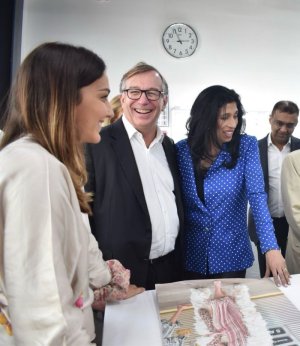
I had the privilege of meeting the CHANEL Executive Committee, Bruno Pavlovsky, Leena Nair during their visit to Vastrakala in India
vastrakala website

We had the opportunity to exchange on our savoir-faire, our shared vision of excellence, and the values that connect us.
Witnessing these conversations between the teams in India and the CHANEL Maison, centered around creativity, transmission, and the respect for craftsmanship, was incredibly inspiring.

I am proud to contribute to building this bridge between MĆ©tiers d’Art and India, where the expertise of our embroiderers/tailors truly shines.
This visit reinforced just how central people, commitment, and passion are to everything we do.

A huge thank you to the Vastrakala teams and the Executive Committee of CHANEL for such a meaningful and motivating moment.
1766141051372.jpg
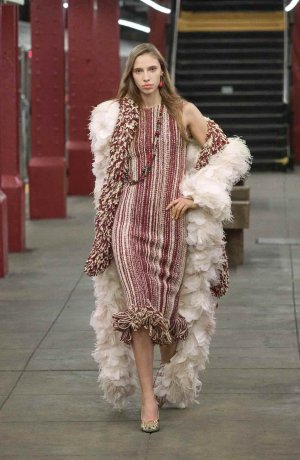
look 30 MƩtiers d'Art 2026 Collection on the table :

look 30 made in india.jpg
 
linked in

I had the privilege of meeting the CHANEL Executive Committee, Bruno Pavlovsky, Leena Nair during their visit to Vastrakala in India
vastrakala website

We had the opportunity to exchange on our savoir-faire, our shared vision of excellence, and the values that connect us.
Witnessing these conversations between the teams in India and the CHANEL Maison, centered around creativity, transmission, and the respect for craftsmanship, was incredibly inspiring.

I am proud to contribute to building this bridge between MĆ©tiers d’Art and India, where the expertise of our embroiderers/tailors truly shines.
This visit reinforced just how central people, commitment, and passion are to everything we do.

A huge thank you to the Vastrakala teams and the Executive Committee of CHANEL for such a meaningful and motivating moment.
View attachment 1442360
look 30 MƩtiers d'Art 2026 Collection on the table :

View attachment 1442361
executing the Unilever play book. Well done.
 
Honestly, If I were Leena I would ask MB and the design team to come up with a permanent collection a la "Dior Montaigne" under MGC. In that way MB could still release his unflattering and overdesigned stuff while the conventional CHANEL costumer looking for status symbol basics does not feel alienated by the new aesthetic.
Make very wearable "status symbol" logo items to please the majority of your customer base. I know all the customers and big spenders who got invited to the subway show praised the show on their social media, but honestly, I don't picture a woman fully dressed in Cruise 2026 spending a single dime on those Metiers d'Art pieces, they are like opposites.
 
By the way, the biggest disappointment so far from MB tenure is from his bags design director Kryzstof Lukasik...the guy who flexed his new CHANEL job 12 hours after communicated he was leaving Bottega.
Maybe he should stop posting naked men images and gay erotica themed movie stills on his IG stories like a basic gay fashion circle fellow guy cause his CHANEL bags are atrocious...he's the guy who designed an apple shaped Minaudiere for a New York themed collection! Can you get any more basic than that?
I don't understand the reason why he's pushing the croc effect leather while all the competitors have decently commercially successful exotics lines. The basic designs are very uninspired and basic looking, while the minaudieres and the evening clutches are either plain cringy or ridicolous.
So far I only liked the quilt less and chain less timeless classic, the constellation Minaudiere from the debut show and the crushed 2.55, the rest can be thrown in the bin. They can't be serious with that squirrel timeless classic with the cheap looking shearling tail that looks like it's made of polyester.
Ironically, that quilt less timeless classic is going to be such a smash hit it's gonna easily outsell the 25.
 
By the way, the biggest disappointment so far from MB tenure is from his bags design director Kryzstof Lukasik...the guy who flexed his new CHANEL job 12 hours after communicated he was leaving Bottega.
Maybe he should stop posting naked men images and gay erotica themed movie stills on his IG stories like a basic gay fashion circle fellow guy cause his CHANEL bags are atrocious...he's the guy who designed an apple shaped Minaudiere for a New York themed collection! Can you get any more basic than that?
I don't understand the reason why he's pushing the croc effect leather while all the competitors have decently commercially successful exotics lines. The basic designs are very uninspired and basic looking, while the minaudieres and the evening clutches are either plain cringy or ridiculous.
So far I only liked the quilt less and chain less timeless classic, the constellation Minaudiere from the debut show and the crushed 2.55, the rest can be thrown in the bin. They can't be serious with that squirrel timeless classic with the cheap looking shearling tail that looks like it's made of polyester.
Ironically, that quilt less timeless classic is going to be such a smash hit it's gonna easily outsell the 25.
your on the money with lots of mentions above.

that quilt less timeless classic is also cheaper to make less production steps :) so great for margins and production lead time.
i don't think it will be bigger success than the 25 , its to flat and far less recognizable as a Chanel bag.

Chanel acc have been more on the rich on details side , why it works well to uplift casual everyday outfit.

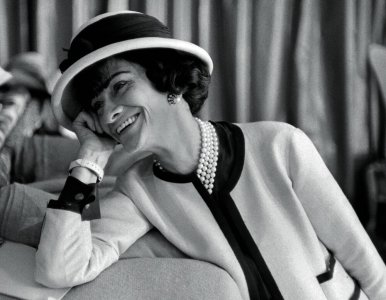
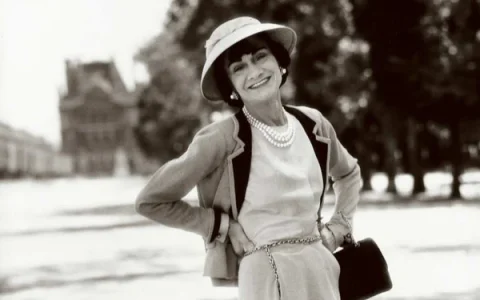
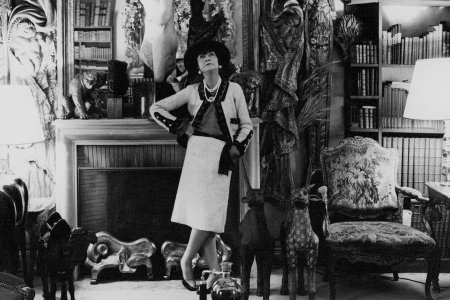
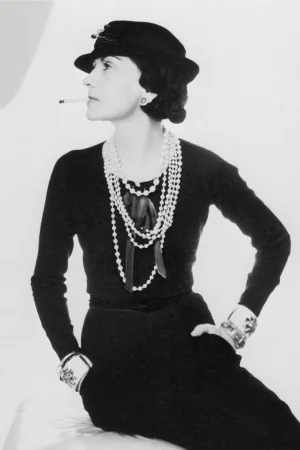
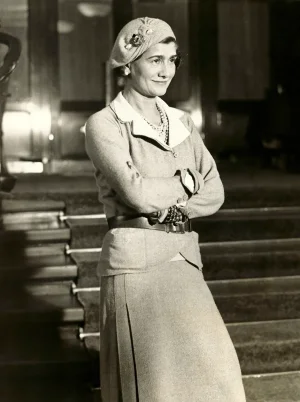
also chanel i feel is a balance/play of rich details paired with something more simple or clean liniar slendering lines and masculine sober almost, like coco in her jacket and skirt but byzantine jewelry cuffs and pearls and chains.

now feels the clothes are rich and acc flat the opposite of her original ideas of dressing....and i feel old coco is more modern as the clothes stay longer timeless and acc can be updated and change with time or occasion or mood
17-1935-gabrielle-coco-chanel-vogue-rex-features-b19350101_0206.webpGabrielle-Coco-Chanel-in-suit-and-beret.webp

coco-chanel-a-paris.jpg Blog_Featured_Image_13_2048x_4b83de2b-447f-4755-a81f-1f27bc64643b_600x600.webpaufmacher.jpeg
 
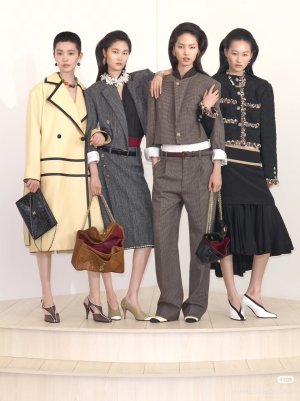
Leena loves to cut costs but I think she went a bit too far this time, as it seems like she also let go of all of the tailors!

Not one of the 4 models here looks good. In fact, it looks like they just received the "samples" from their wholesaler and tried to "make it work" a la Lizzie Maguire in that one scene in the atelier...

Good lord. How anyone can stand here and defend this as "new Chanel" is beyond me.
 
Leena loves to cut costs but I think she went a bit too far this time, as it seems like she also let go of all of the tailors!

Not one of the 4 models here looks good. In fact, it looks like they just received the "samples" from their wholesaler and tried to "make it work" a la Lizzie Maguire in that one scene in the atelier...

Good lord. How anyone can stand here and defend this as "new Chanel" is beyond me.
they will say its what real modern women want to wear ill fitted influencer look of 5 years ago is back (it never left because its cheaper to make clothes that are square boxes)
 

Users who are viewing this thread

New Posts

Forum Statistics

Threads
215,606
Messages
15,308,703
Members
89,627
Latest member
chrisjww
Back
Top